
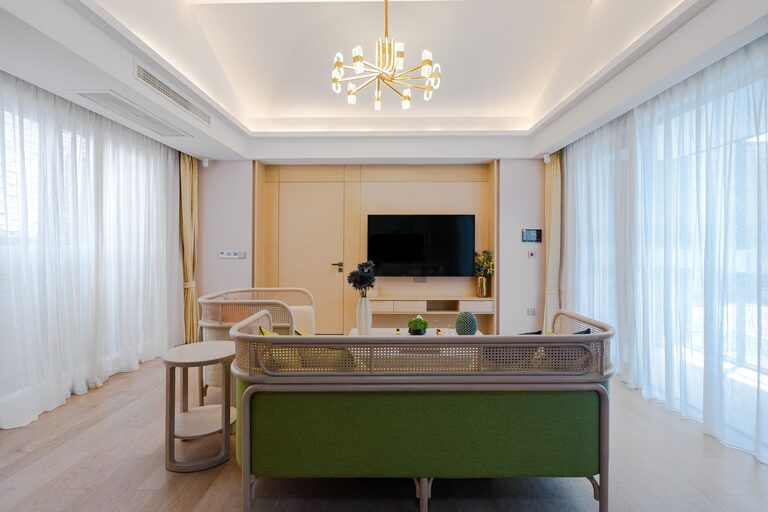
Creating a bright and inviting atmosphere in a dark room can sometimes feel like a challenge, especially if natural light is limited. However, with a few thoughtful changes and a bit of creativity, you can transform a gloomy space into one that feels fresh and cheerful. This post explores practical ideas to brighten a dark room quickly and easily.
Understanding Why Rooms Feel Dark
Before diving into solutions, it’s helpful to understand common reasons why a room might feel dark:
– Limited or no natural sunlight due to window size or placement
– Dark-colored walls and furniture that absorb light
– Heavy curtains or window treatments blocking light
– Insufficient artificial lighting or poorly placed light sources
Identifying the source of darkness can guide your approach to making the room feel brighter.
Use Light Colors on Walls and Ceilings
One of the simplest ways to brighten a room is by painting walls and ceilings with light, neutral colors. Here are some tips:
– Choose shades such as white, off-white, pale gray, or soft pastels. These colors reflect more light, making the room appear larger and airier.
– Consider painting the ceiling a bright white, which helps bounce light around.
– Avoid dark or overly saturated colors that absorb light and make the space feel smaller.
If repainting isn’t an option, adding large light-colored wall art or removable wallpaper with bright patterns can also help.
Maximize Natural Light
Bringing more natural light into a room can dramatically brighten it:
– Keep window treatments minimal. Opt for sheer curtains or blinds that can be fully opened during the day.
– Clean windows regularly to allow maximum sunlight inside.
– Position mirrors opposite or adjacent to windows to reflect light deeper into the room.
If privacy is a concern, frosted glass or light-filtering shades preserve privacy without blocking light.
Add Mirrors and Reflective Surfaces
Mirrors are a classic and powerful tool for brightening spaces:
– Hang a large mirror on a wall that faces a light source to amplify sunlight or artificial lighting.
– Use multiple smaller mirrors or mirrored decor items to spread light around.
– Incorporate reflective surfaces in furniture or decor, like glass tabletops, metallic lamps, or shiny picture frames.
These elements bounce light and add a sense of depth to the room.
Improve Artificial Lighting Layers
In rooms lacking natural light, layered artificial lighting can make a big difference:
– Use a combination of overhead lights, task lighting (like desk or reading lamps), and accent lighting (such as wall sconces or LED strips).
– Choose bulbs with a daylight or cool white color temperature (around 4000K to 5000K) for a brighter, more natural look.
– Avoid relying on a single, dim fixture; instead, distribute light sources evenly throughout the room.
Dimmers can add versatility by allowing you to adjust brightness based on time and mood.
Select Light-Colored and Minimal Furniture
Furniture contributes to the overall brightness of a room:
– Opt for pieces in light woods, white, or pastel finishes.
– Avoid bulky or dark-colored furniture that can absorb light and crowd the space.
– Choose sleek designs with legs or open frameworks that allow light and air to flow freely.
Adding throw pillows, rugs, or cushions in bright or neutral tones also enhances lightness.
Use Bright Accents and Textiles
Small touches can have a big impact on room brightness:
– Incorporate brightly colored or white cushions, throws, and rugs.
– Use light-colored bedding or upholstery fabrics.
– Display fresh flowers or plants in light-colored pots to add life and interest.
– Consider artwork with light backgrounds or vibrant colors to lift the mood.
These accents make a room feel more cheerful without major renovations.
Declutter and Organize
A clutter-free room feels lighter and more open:
– Regularly declutter surfaces and storage areas.
– Use organized storage solutions to keep items out of sight.
– Choose furniture with built-in storage to reduce visual chaos.
Less clutter lets light flow around the room, contributing to an airy atmosphere.
Experiment with Window Films and Skylights
If your room lacks windows or sufficient natural light, some options can help:
– Window films that brighten and diffuse light without compromising privacy
– Skylights or solar tubes, where feasible, bring natural light from above
These structural changes might require more investment but offer lasting benefits.
Final Thoughts
Brightening a dark room is often about maximizing light reflection, adding layered lighting, and choosing colors and furnishings wisely. By combining these strategies, you can create a welcoming, well-lit space that feels larger and more comfortable. Whether through simple changes like mirrors and light paint or small decorating adjustments, a bright room is within reach.
Try these quick ideas and see how your space transforms from dim to dazzling!
