Composting at home is a rewarding and environmentally friendly way to reduce waste and enrich your garden soil. Whether you have a large backyard or a small balcony, starting a compost pile or bin can be simple and effective. This guide offers beginner tips to help you begin your composting journey with confidence.
What is Composting?
Composting is the natural process of recycling organic material, such as kitchen scraps and yard waste, into a rich soil amendment called compost. It improves soil health by adding nutrients and enhancing its structure, which helps plants grow better.
Why Compost at Home?
– Reduce waste: Composting diverts food scraps and yard waste from landfills.
– Improve soil: Homemade compost enriches garden soil naturally.
– Save money: Reduce the need for store-bought fertilizers.
– Help the environment: Composting lowers greenhouse gas emissions.
Getting Started: Choose Your Composting Method
Outdoor Compost Bin or Pile
If you have space in your yard, you can create a compost pile or use a compost bin. Bins keep the pile tidy and help retain heat.
Indoor Composting Options
For those with limited space, indoor composters or worm bins (vermicomposting) are great options that produce compost inside your home.
What to Compost: The Basics
Composting works best when you balance two types of materials:
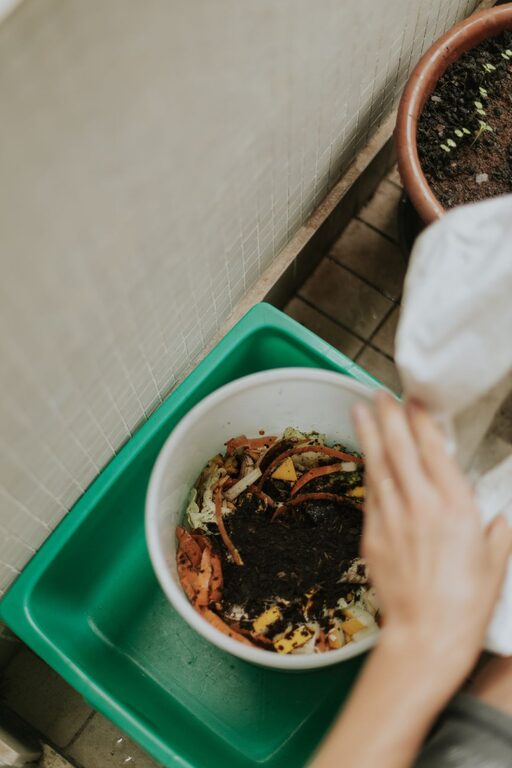
– Greens (Nitrogen-rich): Kitchen scraps like fruit and vegetable peels, coffee grounds, tea bags, fresh grass clippings.
– Browns (Carbon-rich): Dry leaves, straw, shredded paper, cardboard, small wood chips.
Avoid composting meat, dairy, oily foods, and pet waste to prevent odors and pests.
Step-by-Step Tips for Successful Composting
1. Pick a Good Location
Choose a spot that’s convenient, well-drained, and partially shaded. This makes managing your compost easier.
2. Layer Your Materials
Start with a layer of coarse browns like twigs to help with airflow. Alternate layers of greens and browns, about 2-3 inches thick each. This layering helps balance moisture and nutrients.
3. Keep it Moist
Your compost pile should be as damp as a wrung-out sponge. Water it occasionally if dry or add dry browns if it’s too wet.
4. Turn the Pile Regularly
Aerate your compost by turning it with a garden fork or shovel every 1-2 weeks. This helps speed up decomposition and prevents odor.
5. Be Patient
Composting can take anywhere from a few months to a year. Finished compost looks dark, crumbly, and smells earthy.
Tips for Troubleshooting Common Issues
– Bad odor: Usually due to too much moisture or greens. Add more browns and turn the pile.
– Pests: Avoid adding meat, dairy, or oily foods. Use a closed bin or cover scraps with brown material.
– Pile not heating up: Add more greens and turn the pile to improve oxygen flow.
Using Your Finished Compost
Once your compost is ready, use it in your garden beds, pots, or lawn to improve soil fertility. Mix it into the top few inches of soil or use it as mulch around plants.
Additional Composting Ideas
– Worm Composting: Great for apartments; worms break down scraps quickly.
– Compost Tea: Steep compost in water to create a nutrient-rich liquid fertilizer.
– Community Composting: If space is limited, check for local compost drop-off sites.
Final Thoughts
Starting composting at home doesn’t have to be complicated. By following these beginner tips, you’ll create a simple system that reduces waste and benefits your garden. Remember, composting is a learning process, so don’t worry about perfection—just get started and enjoy the benefits!
Happy composting!

Related Posts